



Driving delivery is the core theme of BE-ST Fest 2026, and in the West of Scotland, the focus turns to housing & modern methods of construction.
Scotland continues to face a housing emergency, with an urgent need for high-quality, affordable homes. Addressing housing supply without embracing modern construction approaches risks missing a major opportunity, particularly given Scotland’s strong potential in homegrown timber and advanced manufacturing.
This summit brings housing and MMC together as interconnected solutions. It asks a critical question: how can we accelerate the delivery of better, faster, and more affordable homes? The answer lies in collaboration, innovation, and adoption of modern methods from offsite manufacturing to biobased, homegrown materials.
By uniting industry, government, and supply chains, the focus is on moving from ambition to action, scaling up MMC, overcoming barriers, and delivering the homes Scotland urgently needs.
Date: 4th November 2026
Time: 8.30am - 5.30pm
Location: Sir Jim McDonald Technology & Innovation Centre (TIC)
-
-
-
-
-
-
Modern Methods of Construction (MMC) are only transformative when they move beyond ambition and into real-world delivery. This panel brings together voices from across the full supply chain to explore how MMC has been applied in practice on live projects — and what it genuinely takes to make it work.
Hear firsthand insights from designers, manufacturers, clients, installers, and government representatives, each reflecting on how MMC solutions supported the successful delivery of their part of the project. The discussion will cover the practical realities of specifying, procuring, designing, manufacturing, installing, managing, and ultimately living in MMC‑enabled buildings.
Grounded in lived experience, the session will highlight the successes, challenges, and lessons learned across different project stages. Expect honest reflections, practical takeaways, and a clear understanding of how Scotland’s supply chain is driving delivery and shaping the future of MMC adoption.
-
-
-
-
-
-
Item description
-
Housing & MMC
〰️
Housing & MMC 〰️
Our speakers
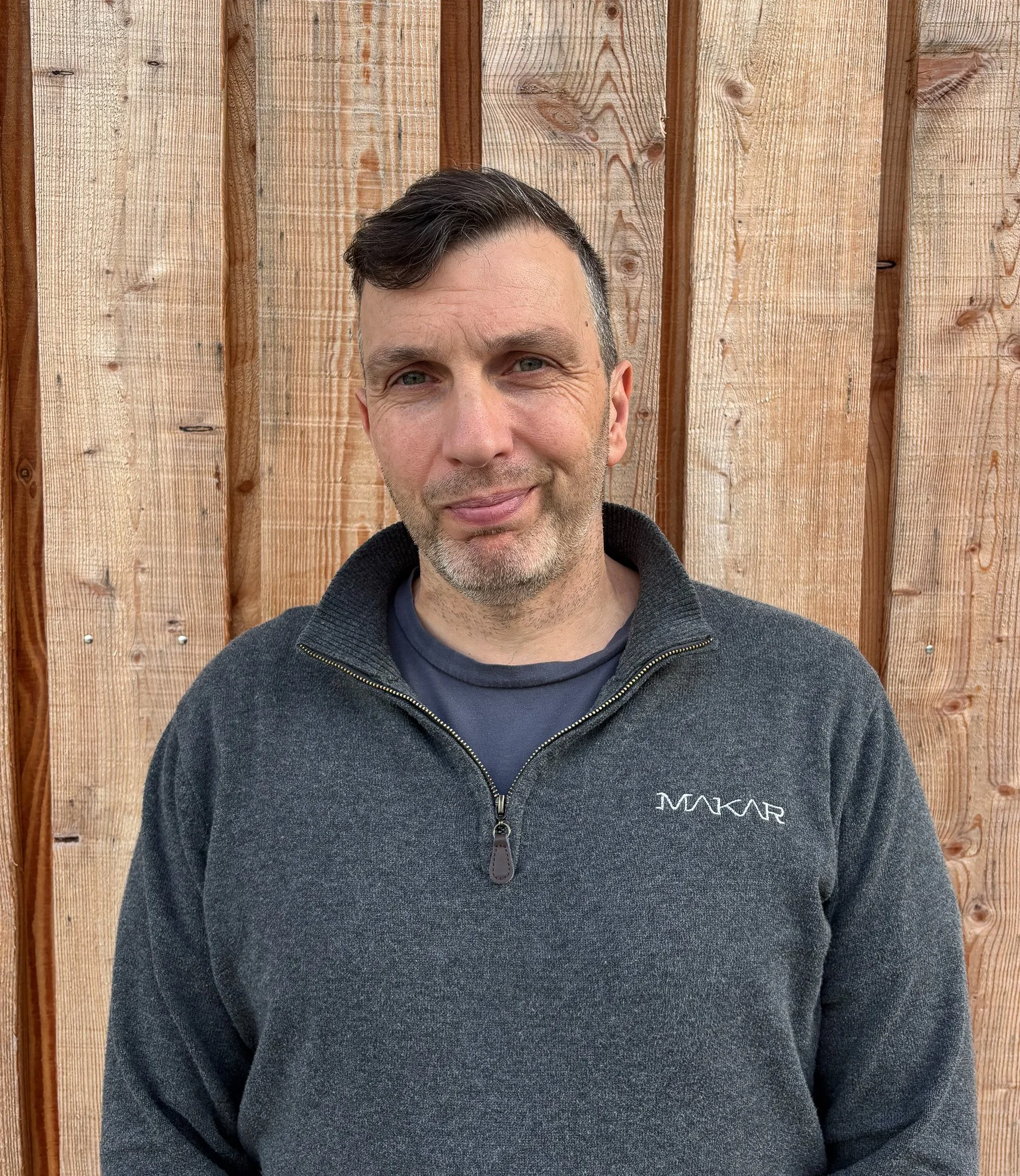
Neil Edgar
CEO of MAKAR
Neil Edgar is CEO of MAKAR, a Highland-based manufacturer of timber-rich, low-energy homes. With over 20 years’ experience in bespoke manufacturing and assembly, and the past seven years focused on offsite construction, Neil brings a practical, process-driven perspective to the challenge of delivering better homes at scale.
His focus is on turning innovation into delivery — using Scottish timber, local supply chains and modern methods of construction to build high-performance homes more quickly, particularly in rural and remote communities, while reducing energy demand and helping tackle fuel poverty through a fabric-first approach.
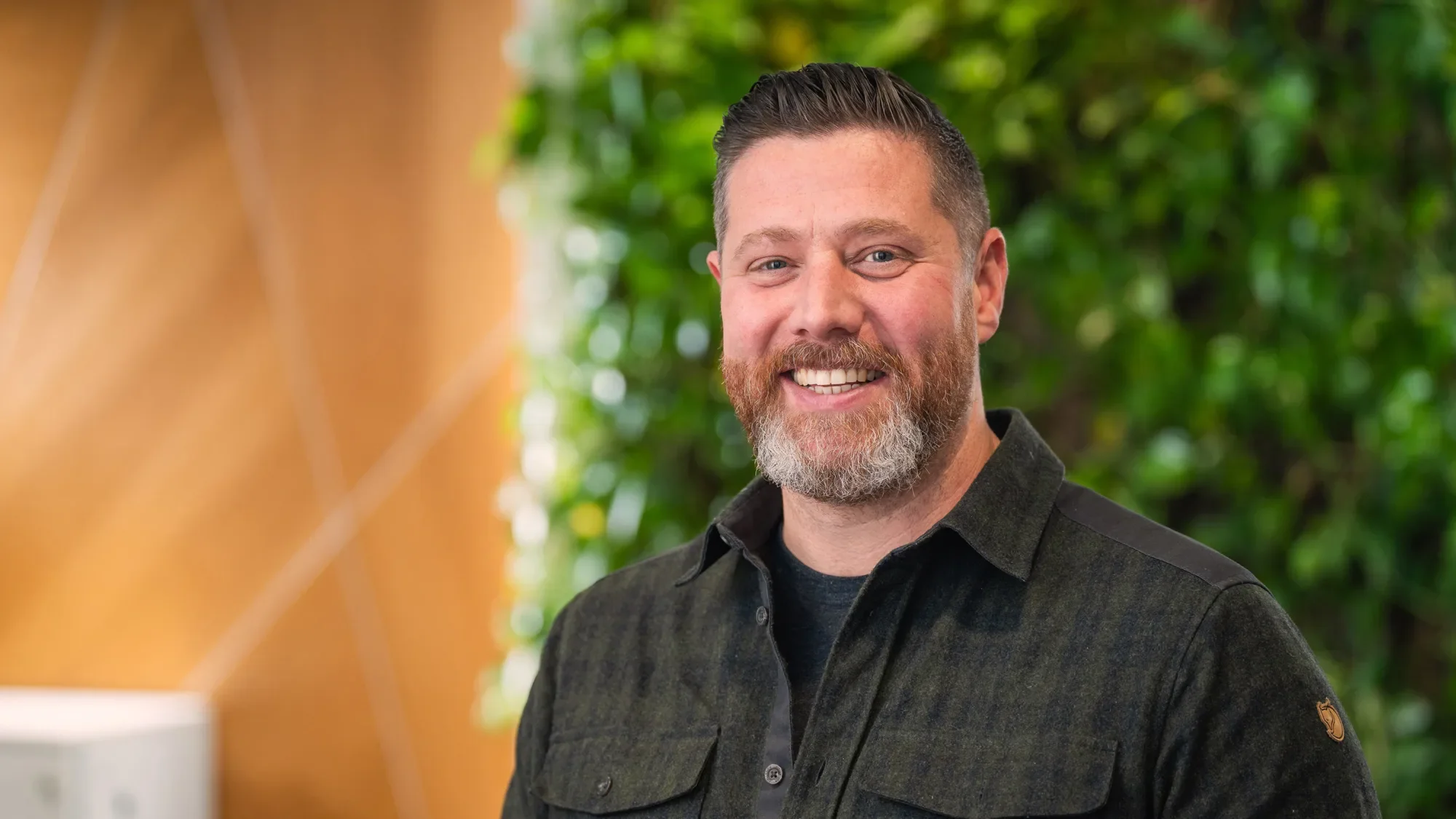
Dr Olli Jones
Head of Sustainability – North East, Cundall
Dr Olli Jones is a sustainability and innovation leader, speaker and self-confessed optimist about our ability to create a better future for people and the environment. An Associate Director at Cundall, he helps lead the global sustainability team from Newcastle and works with governments, organisations and investors to tackle some of the built environment’s biggest challenges.
With more than 20 years’ experience, Olli has been recognised among the industry’s Top 500 Influencers and the UK design sector’s Top 100 Sustainability Visionaries by the profession. He brings energy, evidence and a healthy dose of pragmatism and progress to the challenge of turning ambitious ideas into real-world transformation.

Louise Rogers
Impact Manger, BE-ST
Louise Rogers is committed to transforming the built environment through innovation, drawing on experience in both academia and industry. Her career has focused on advancing low-carbon construction through sustainable and practical solutions. She specialises in developing and promoting homegrown timber products, including mass timber and woodfibre insulation, and has played a key role in driving their progress and application.
Her expertise spans biogenic material systems, prototyping, and low-carbon manufacturing. She leads R&D and commercialisation projects on homegrown timber products, with a strong track record in lifecycle analysis, feedstock evaluation, and materials innovation. Louise has authored key sector reports and delivered demonstrator projects that connect research with application, enabling the use of sustainable materials in scalable construction and offsite manufacturing.
By championing homegrown timber, she supports a low-carbon future while promoting the economic potential of locally sourced materials.
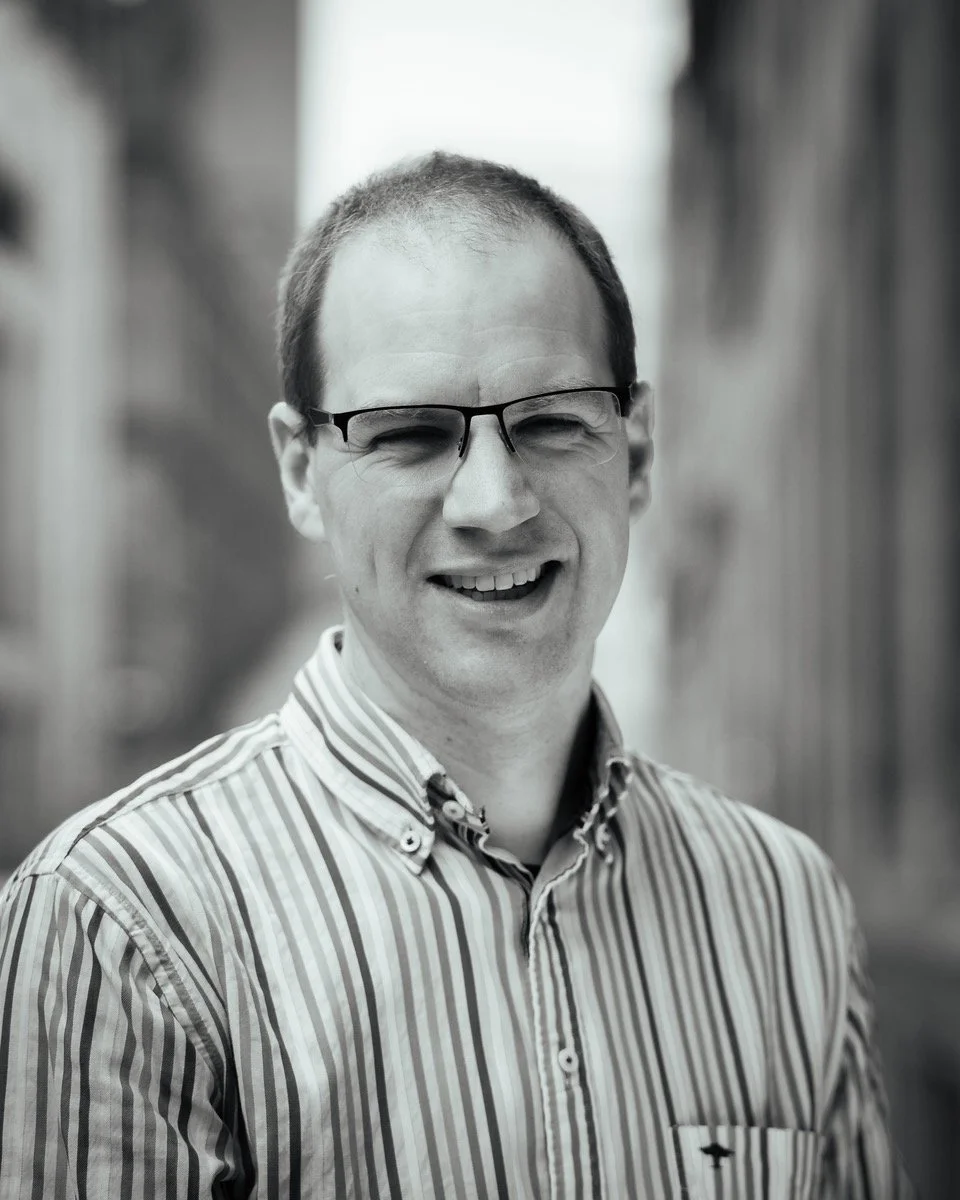
Matt Bridgestock
Managing Director, John Gilbert Architects
Matt Bridgestock is Managing Director of John Gilbert Architects and a Director of Sussed Sustainability. His work combines affordable housing, Passivhaus design and collaborative research to improve building performance. Through the development of Passivhoos and partnerships with academia and industry, he explores how standardisation and modern methods of construction can deliver high-quality, low-energy homes at scale. He brings a practical design perspective, connecting innovation with delivery and the experience of residents.
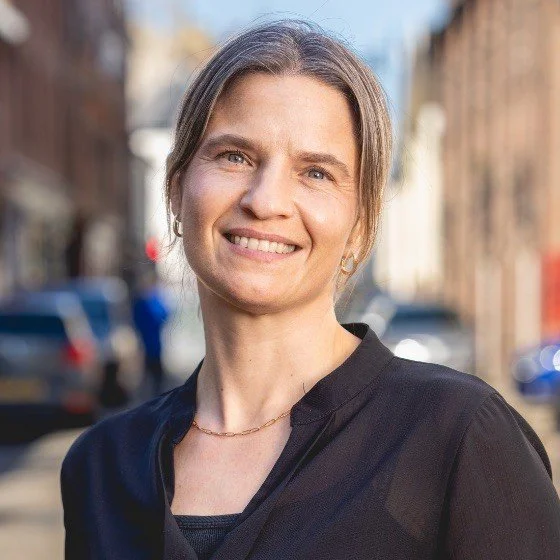
Emily King
Industrialisation Director, NHS New Hospital Programme
Emily is currently the Industrialisation Director on the New Hospital Programme. Emily is a construction and offsite specialist advocating DfMAD and Industrialisation as methods to achieve a more efficient, values driven, net zero, future for our construction industry.
Emily has been the Managing Director of an offsite contractor delivering across multiple public sector frameworks, and the Client Solutions Director for an integrator specialising in DFMAD and maximising offsite processes.
Emily’s interest in the world of Offsite started when she worked at Portakabin, heading up their education work on the first MMC framework for the Department for Education. She has also previously held roles for leading construction consultants; Arup and Mott MacDonald.

Calum Murray
Director, CCG
Calum has an honours degree in Town & Country Planning and has worked in construction for over 35 years - joining CCG in 2001 after honing his development skills and knowledge running the Partnership Housing Division of a leading national house builder, Beazer Homes.
Now a Director of CCG and Managing Director of CCG Homes, he leads on land led affordable development, mixed tenure, private for sale and mixed-use projects.
A founding and current Director of City Legacy, the consortium responsible for delivering the 2014 Commonwealth Games Athletes Village, the team he led secured the Queens Award for Industry (Sustainability) - and in 2026 is delivering the final phase of build to rent on this multi award winning regeneration initiative. Calum is also a member and former Chairman of Offsite Solutions Scotland the industry body established by the BE-ST to advance Offsite Modern Methods of Construction .
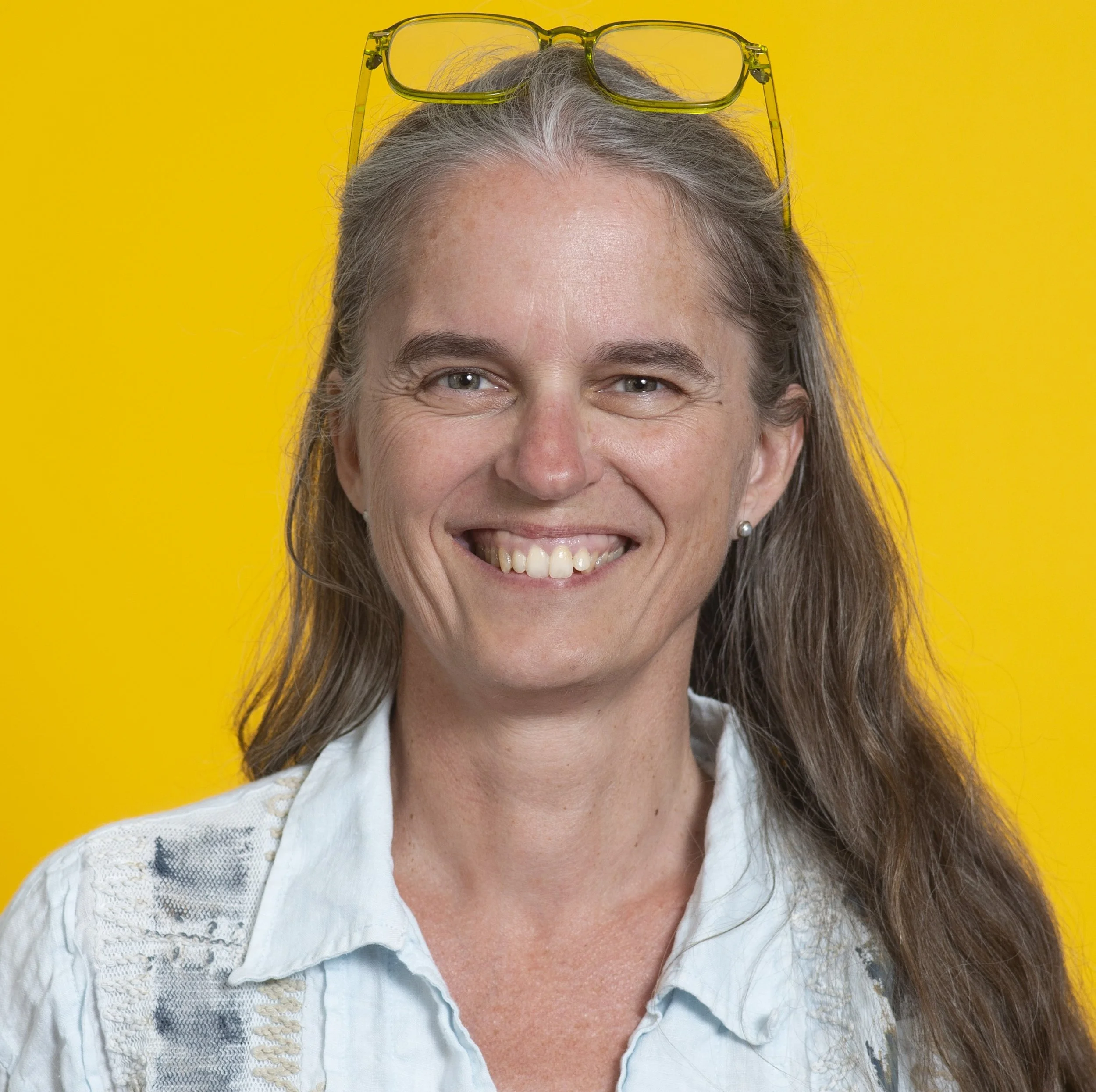
Dr Natalie Bain-Reguis
Research Associate, The University of Edinburgh
Dr Natalie Bain-Reguis is a Research Associate at the University of Edinburgh, specialising in indoor environmental quality, building performance and occupant wellbeing.
Her research bridges building science and real-world practice, exploring how design, construction and occupant behaviour influence building performance. Through her work on the Edinburgh Home Demonstrator project, she has investigated the thermal performance, energy use and indoor environmental conditions of innovative housing, helping identify lessons for delivering healthier, more sustainable homes.
Afternoon workshops
-
Very Low Energy Buildings
1.30pm-2.30pm
This interactive session will bring together key representatives from government, industry and education to share their perspectives through a rapid-fire lightning round, followed by an audience Q&A and open discussion.
BE-ST has supported the built environment sector on its journey towards delivering very low-energy buildings for several years. Scotland is now at a critical point in this transition, with emerging policies and regulations including the Scottish equivalent to the Passivhaus Standard and the decarbonisation of public-sector heat shaping the future of the sector.
Across Scotland, contractors are developing new skills and capabilities, while designers and clients are increasingly embracing very low-energy approaches. However, as implementation timelines draw closer, it is important to understand how BE-ST can best support the sector through the next phase of the transition.
-
Unlocking Homegrown Timber: Making C16 Work in Practice
1.30pm- 2.30pm
This workshop explores how we can make greater and more confident use of homegrown C16 timber across the construction sector. Building on insights from previous outreach and engagement, the session will focus on the key considerations when specifying timber and how to get the most value from the UK’s local resource.
You’ll hear directly from a timber frame manufacturer who exclusively uses homegrown timber in their kits, alongside specifiers who are already integrating UK‑grown material into their projects and the sawmillers who make this supply possible. Together, they will unpack the opportunities, constraints, and practicalities of using homegrown timber across different products and applications.
By the end of the session, you’ll leave with a clearer understanding of where C16 can be used effectively, how to specify it with confidence, and new ideas for consciously incorporating locally sourced timber into future projects.
-
From Spreadsheets to Smart Workflows: Digital Workers for Construction SMEs
1.30pm-2.30pm
From Spreadsheets to Smart Workflows explores how different construction SME organisations are deliver practical opportunities from AI Digital Workers to improve estimating, procurement, planning and commercial control.
The presentation will show how Apsis ADW can help construction SMEs reduce admin, connect data and support better decisions by combining people, processes and information Insights.
This is an interactive session, and you will be invited to take part in a group activity. This session is delivered in partnership with Peer Works.
-
Making Circular Construction Hubs possible: An interactive workshop focused on Glasgow City and North Lanarkshire
3pm-4pm
Join the CirCoFin team from Zero Waste Scotland, for an interactive workshop exploring the next stages in making circular construction hubs possible in Scotland, with a focus on Glasgow City and North Lanarkshire as potential initial pilot locations.
Through facilitated discussion, participants will explore findings from the recent CirCoFin feasibility study, consider emerging financing and delivery models, and discuss the potential role a future Circular Construction Hubs could play in Scotland's move towards embedding the circular economy in construction.
Designed to encourage collaboration and knowledge sharing, this workshop will provide attendees with the opportunity to contribute their perspectives, identify barriers and solutions, and consider practical steps that can support resource efficiency, waste reduction and the delivery of a more circular built environment.
-
Inside the Rig: Lessons from Low Carbon Passport in Collaboration with Ecological Building Systems
1.30pm-2.30pm or 3pm-4pm
Experience the Low Carbon Passport through a practical and collaborative small-group session exploring how hands-on learning can support better low-energy construction. Developed for construction industry students, educators and professionals, this hour-long session will offer a snapshot into the training mechanisms used to deliver the Low Carbon Passport project to over 1200 learners so far.
This session will include a collaboration with Ecological Building Systems who will demonstrate material application and specification insights aligned to those used within Low Carbon Passport sessions
Collectively, we will reflect on the range of skills and competencies delivered over the last 18 months which underpin our progress towards improved construction quality, building performance awareness and a reduction in the performance gap.
Suitable for construction experts and interested newbies a-like, this session allows you to dip a toe into our ongoing efforts to build a resilient, industry-ready workforce for a net zero future
-
Better homes are healthy homes: How Envision, the rural smart home of the future, can shape housing in Scotland?
3pm-4pm
This interactive workshop session will explore what it means practically to provide more and better healthy homes for Scotland. This will be done by exploring three key themes/challenges for Scotland as a nation as we consider housing need: population health, rapid advancement of technology and rural locations.
The workshop will be grounded in the learning developed by the Envision Project, which is a bold rethinking of the home as a living system: one that generates energy, supports wellbeing, anticipates need, and evolves with its occupants over time. This project was developed by Architype and Evolve Capex and led by Digital Health & Care Innovation Centre, with BE-ST and Moray Council.
As an interactive session, the workshop will include an opportunity to hear about the Envision project and will then provide opportunities to explore the challenges and opportunities surrounding health and wellbeing, technology and rural locations in more detail, and to collaboratively discuss ideas with the Envision team for how we can promote housing which is low energy, healthy and embraces the opportunities of integrated technology.
Exhibitors
-
Built Environment - Smarter Transformation
We work with organisations across the built environment sector, including industry at all levels, universities and colleges, and the public and third sector, to come up with new ways to transform the built environment to become stronger, more sustainable, and smarter.
We provide the tools to inspire a strong, sustainable, and smarter built environment through innovation, skills, and collaboration.
By tapping into the expertise of universities, colleges, research, and other built environment experts, BE-ST provides the connections and culture to make big ideas, that generate growth and benefit businesses, education, research and communities, a reality.
-

Carbon Futures
Carbon Futures are independent energy and sustainability consultants with a passion for building performance and a desire to support the decarbonisation of the built environment.
Their team of industry experts carry out detailed modelling and analysis to maximise building performance and promote best practice solutions across various industry sectors.
-

Centre for Net Zero High Density Buildings (CeNZ HighDB)
The Centre for Net Zero High Density Buildings (CeNZ-HighDB) is a new UKRI Green Economy Centre. Led by the University of Edinburgh, this research partnership combines the Universities of Glasgow, Strathclyde, West of Scotland, Edinburgh Napier University, and BE-ST – Scotland’s construction innovation centre.
CeNZ-HighDB will develop, test and underpin delivery of identified new ‘green’ innovations including high-energy efficiency building fabrics, new lower cost rapid-fit heating technologies, novel community heating-cooling systems for complex multi-use streetscapes and advancements in thermal-cooling modelling and data driven innovation to drive green economy growth
-

The Data Lab
The Data Lab is Scotland’s Innovation Centre for Data and AI.
At The Data Lab, we believe in a thriving, connected society powered by data and AI – where cross-sector conversations, creativity, and collaboration ignite and sustain the sparks of ground-breaking ideas, products and societal advances.
We’re uniquely positioned to support and incubate responsible innovation in data and AI across the public, private and academic sectors. We work with students, professionals, universities and colleges, businesses and our wider community to build a stronger and more collaborative economy and future for Scotland and the world.
-
Ecological Building Systems
Ecological Building Systems is driven by a commitment to ‘Building Better’ through a ‘Fabric First’ approach to design, combined with the use of sustainable materials that support building performance and long-term durability.
Extensive research, carefully selected product ranges and industry-leading technical support form the foundation of the business, helping construction professionals deliver high-performance buildings with a reduced environmental impact.
The focus is on creating healthier, more comfortable living and working environments while supporting a more sustainable built environment.
Guidance and technical support are available to architects, contractors, self-builders and anyone seeking environmentally responsible building solutions.
Through innovation, education and practical expertise, Ecological Building Systems continues to contribute to a more sustainable future for the built environment.
-

Esteem Training
Established in 1986, Esteem Training are proud to be Scotland’s No.1 training provider of Construction Modern Apprenticeships. We deliver funded SVQ programmes for construction supervisors, managers and leaders supporting them throughout their career development. Visit our stand to discuss your current training requirements and find out how Esteem Training can help you build a confident and competent workforce.
-

Geovation Scotland
Geovation Scotland is the only support organisation in Scotland specifically supporting land, property and location technology startups.
We help unlock greater value from our national geospatial, land & property data assets by supporting entrepreneurs, innovators and developers to bring new products and services to market through an accelerator programme for early-stage founders and a UK-wide community of PropTech and GeoTech experts.
Our bespoke accelerator programme offers technology entrepreneurs looking to accelerate the growth of their businesses a range of support – from finance, sales, pitching and marketing to data access, development support, up to £15k of funding and more!
-

Iso Chemie GmbH
Iso Chemie GmbH have been a manufacturer of energy-efficient and sustainable sealing solutions and technical foams for almost five decades. Their products can be used in energy-efficient construction, both in new buildings and in the energy-efficient refurbishment of old buildings.
-

Kensa
The UK’s heating system is stuck in the past, costing people and the planet too much. At Kensa, we believe it’s time for an upgrade. Since 1999, we’ve been manufacturing ground source heat pumps in Cornwall and installing them all over the country, transforming how people heat and cool their homes and businesses. Our pioneering networked heat pump solutions deliver the cheapest, cleanest way to heat millions of homes and businesses, and even whole towns, all while minimising the impact on the electricity grid. That’s why Kensa is now responsible for half the ground source installations every year.
-

Luths Services
At Luths Services, our purpose is clear: to drive sustainable change in the built environment. By offering innovative engineering solutions, we empower clients to reduce carbon emissions, cut energy costs, and make informed decisions that benefit their projects and the planet. Every project we undertake reflects our commitment to efficiency, environmental responsibility, and meaningful collaboration.
We are an independent Building Services Engineering consultancy, with offices in Glasgow, Edinburgh, and Inverness. Drawing on decades of expertise in energy efficiency, heat pumps, and retrofits, we deliver tailored solutions that help projects of all sizes meet their sustainability goals.
-

NorDan
NorDan is one of Europe's leading manufacturers of high-performance timber and aluminium-clad windows, doors and smart accessories. Founded in Norway almost 100 years ago, we are a family-owned business operating across Europe, with sustainability and innovative thinking at our core.
We showcase our cutting-edge solutions designed for modern architecture, sustainability, and longevity. With a strong focus on quality, aesthetics and performance, NorDan products are trusted by architects, developers, and homeowners across the UK.
Visit us to explore how our windows and doors can enhance your next project with superior design, security, and environmental benefits.
-

Scotland Excel
Scotland Excel is the Centre of Procurement Expertise for the local government sector. We are a leading non-profit organisation serving Scotland’s 32 local authorities and over 180 associate members from across the public and third sector. As leaders of change, we have helped to establish public procurement as an effective driver for local and national economic growth and wellbeing. Our services are designed to help our members deliver sustainable services that every community needs, and realise a host of social, economic and environmental benefits from their spend.
-

SP Energy Networks
SP Energy Networks operates the electricity transmission and distribution networks that power over 6 million homes and businesses across Scotland, England and Wales. We own, operate and maintain the network of overhead lines, underground cables and substations that keep electricity flowing to millions of homes and businesses. We are investing in the networks needed to support the UK's transition to a cleaner, greener energy future while delivering a safe, reliable and resilient electricity supply for the communities we serve
Part of that growth is reinvesting back into our communities. The Community Benefits team works with local community groups, schools and charities to ensure our investment in the network helps create positive and lasting benefits for the people and places we serve. Through education, skills, employability and community initiatives, we are helping build a more sustainable and inclusive future.
-
PAUL Heat Recovery
PAUL Heat Recovery is an employee-owned company that specializes in domestic and light commercial MVHR systems, especially to Passive House standards.
Awarded Best MVHR Solutions Company in Scotland for 2 years running, PAUL has a no-compromise approach in terms of performance, cleanability and noise attenuation, with strong emphasis on customer service. They also provide professional installer training in co-operation with Forth Valley College.
PAUL offers best practice MVHR systems and unique types, such as Cascade MVHR with minimal ductwork, room-by-room controlled MVHR and a variety of combined cooling and heating solutions.
-

VASO
VASO designs, develops and manufactures structural composite panels from recycled glass. An industrialised construction company based in Dumfries, VASO creates build systems that deliver great opportunities.
Our structural composite panels made from recycled glass helps the built environment deliver structures rapidly, responsibly, and sustainably by precision manufacturing and innovative technology, unlike anything else.
-

Zero Waste Scotland
Zero Waste Scotland is Scotland’s circular economy public body, working with government, business, and communities to rewire the economy from our current “take, make, waste” model to one where we make the most of materials. A zero waste, circular economy is the right choice - for people, planet and prosperity. In June 2026, our Built Environment Roadmap to Circularity was published, setting out a long-term vision for a highly efficient sector addressing carbon emissions, improving material reuse, and reducing waste and environmental impacts, while maintaining its role as a significant employer and contributor to the Scottish economy.
If you would like to discuss BE-ST Fest Sponsorship packages, please get in touch with Ketty Lawrence - klawrence@be-st.build
Sponsored by:




BE the first to know
Subscribe to our newsletter to receive updates about BE-ST Fest ‘26.
We respect your privacy.